
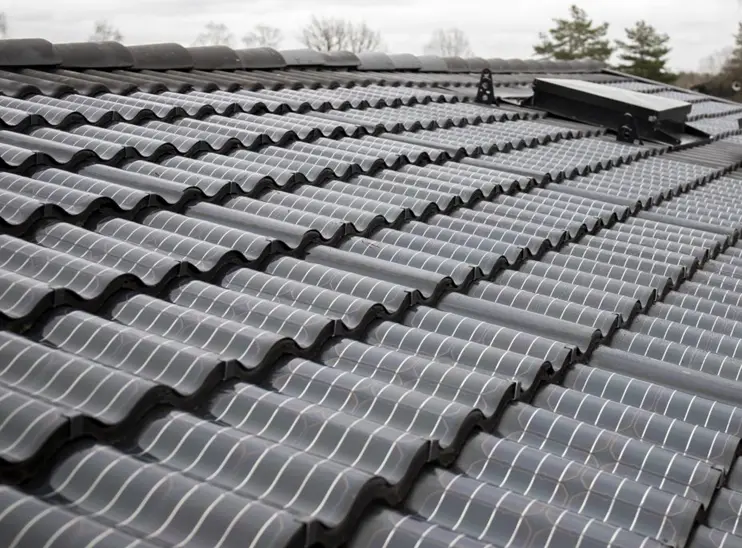
Roof review
Can your roof support a practical solar layout?
Usable area, sun exposure, shading and roof condition can change what system size makes sense.
Solar generation, system size, incentives and grid rules can differ substantially across Canada. Start with your roof, your electricity use and your local utility rules — then compare equipment and installation options on the same basis.
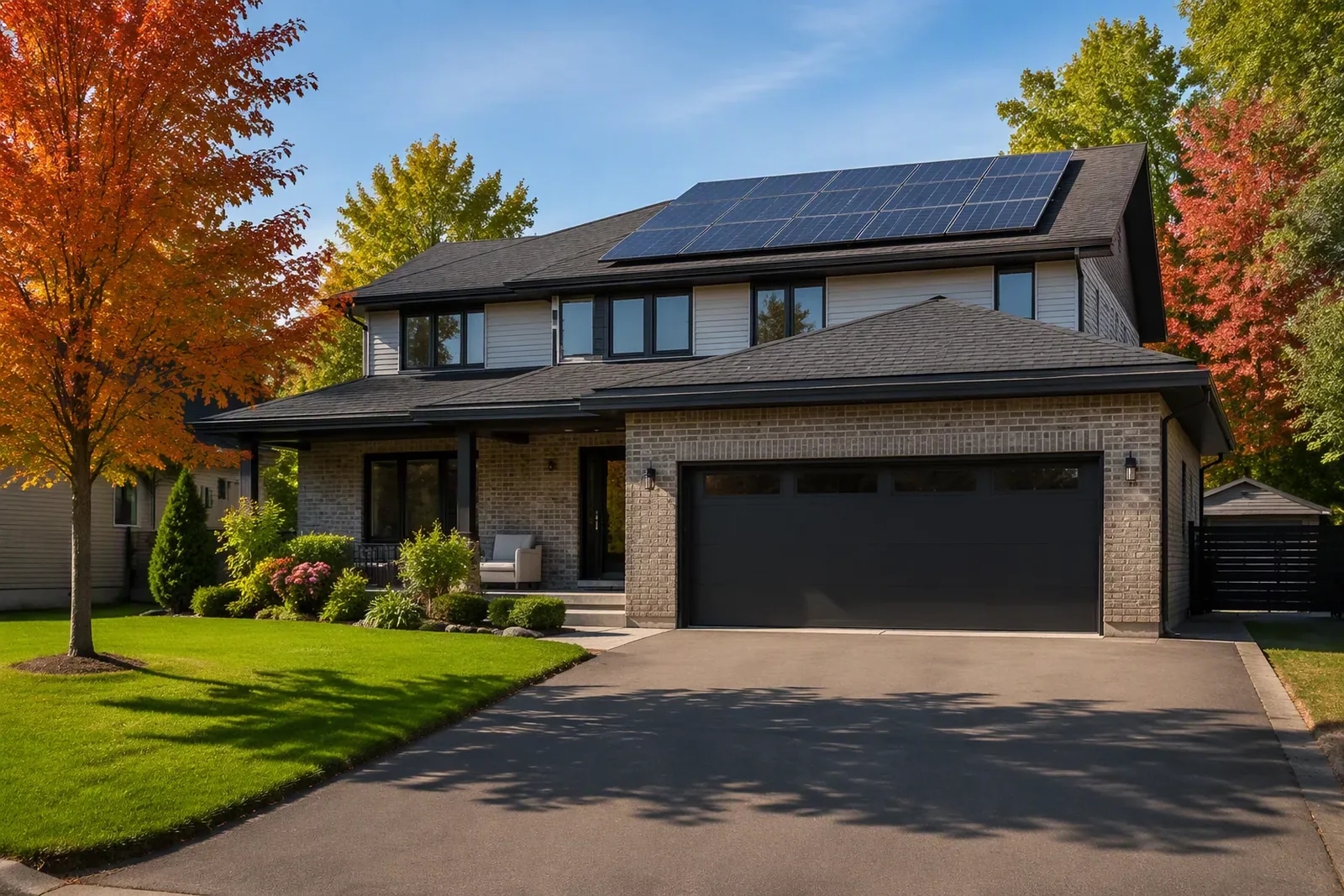

A system that works well on one property may be a poor fit on another. The most useful comparison is based on the same inputs: roof layout, annual consumption, local electricity rates, utility rules and the equipment actually included.
These checkpoints help make a residential solar offer easier to compare before you look at pricing or installation details.
Usable area, sun exposure, shading and roof condition can change what system size makes sense.
Annual consumption, kWh production, equipment list and warranty scope should all be visible in writing.
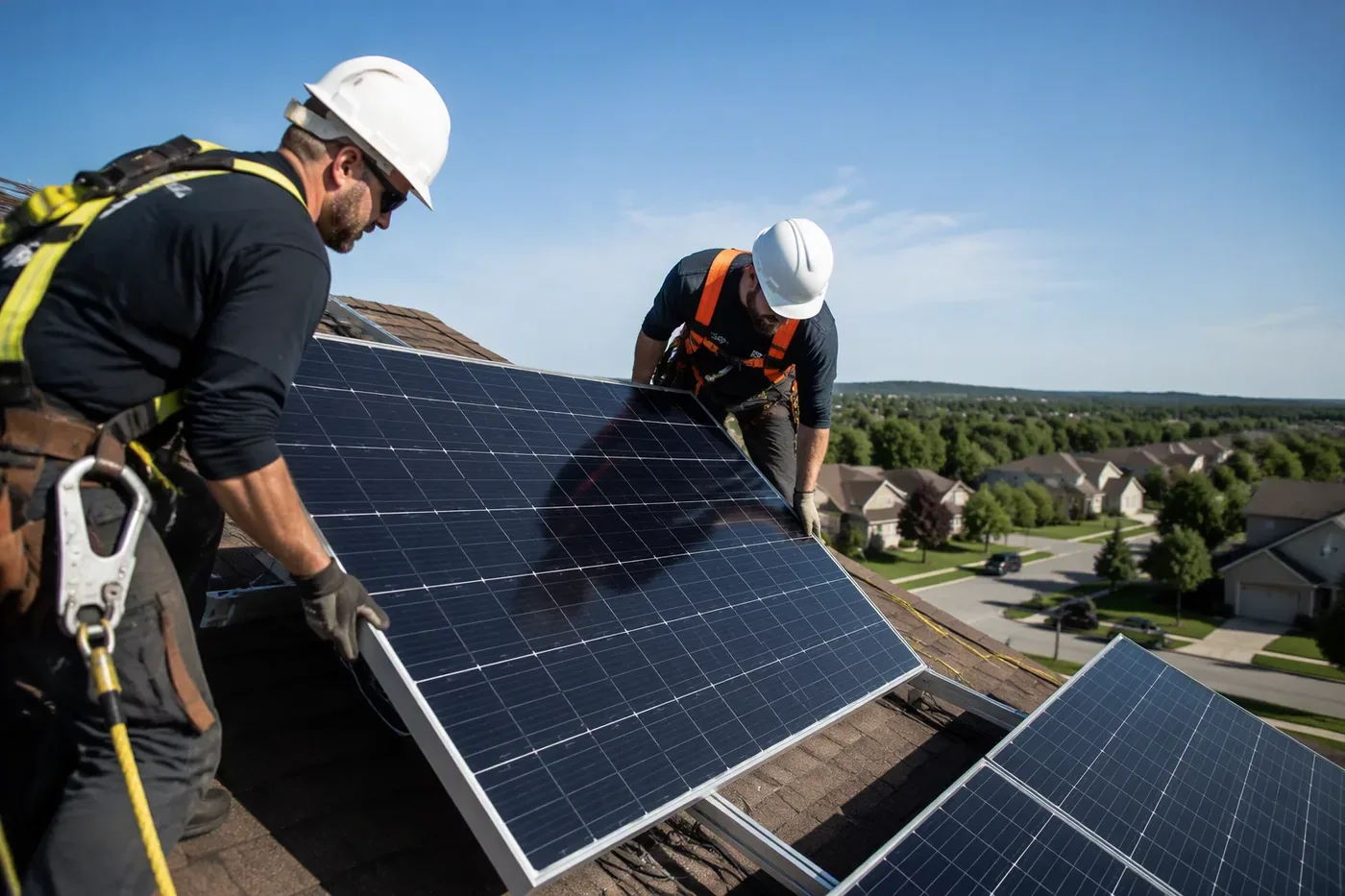
Ask about utility paperwork, inspection steps, installation responsibility and post-sale support.
These points make it easier to compare offers without relying on a single savings estimate.
Usable area, orientation, shade, roof type and condition before equipment is selected.
An annual kWh estimate using local conditions and a clearly stated system size.
Exact panel, inverter, racking and battery models rather than a generic “solar package.”
Who handles the utility application, electrical inspection and local interconnection requirements.
Product, performance and workmanship terms shown separately, including who provides each warranty.
Equipment, labour, permits, upgrades, financing costs and optional storage shown clearly.
You do not need to know solar hardware in advance. You do need comparable information.
Collect recent bills and note annual electricity use, seasonal changes and any future loads such as an EV or heat pump.
Confirm usable roof area, shading, condition and whether an electrical service upgrade may be needed.
Look at current utility interconnection, net-metering and permit requirements for your province and municipality.
Compare equipment, installer scope, warranty, expected production and total cost on the same assumptions.
Availability, eligibility, funding and net-metering arrangements vary by province, municipality and electricity utility — and they can change.
Some jurisdictions offer rebates, loans, tax measures or energy-efficiency programs. Verify the current program directly with the responsible authority before relying on an amount.
Grid-connected solar usually requires utility approval. Credit structures, system limits and application procedures differ by utility and province.
Retailers, installers and third-party lenders may offer financing. Rates, fees, approval criteria and total borrowing cost should be compared separately from equipment price.
Climate, electricity pricing, local utility rules and permitting can all change what system setup is most practical for a home.
A Canada-wide offer still needs local interpretation. Use your province, municipality and utility rules as part of the decision — not after the equipment has already been chosen.
Check BC Hydro or the local utility, available municipal rules and any location-specific interconnection requirements.
Utility approval, export credits and local policy can vary, so review current conditions before sizing a system.
Verify current utility procedures, meter arrangements and any available provincial or local incentive structure.
Connection requirements, equipment expectations and economics can differ from neighbouring provinces.
Nova Scotia, New Brunswick, Prince Edward Island and Newfoundland & Labrador may each involve different programs, utility processes and local installation considerations.
Equipment, racking, electrical work, permits, engineering, labour, monitoring and any expected service upgrades.
Ask who the contracting party is and which licensed trades are responsible for electrical and structural work.
Understand whether the estimate is a projection only or whether any production guarantee exists.
Clarify warranty claims, inverter support, monitoring, roof work and who to contact if equipment fails.